Why Storytelling for Unsung Women
Every community has women whose sacrifices shape lives, strengthen families, and transform societies. They nurture children, mentor young people, support vulnerable neighbours, preserve culture, champion education, and build peaceful communities. Yet, many of these women remain invisible in public discourse. Their names rarely appear in newspapers, history books, or award lists, despite the profound impact of their lives.
This is why storytelling matters.
Storytelling is more than entertainment. It is a powerful tool for preserving history, promoting social justice, and ensuring that the contributions of ordinary people are not forgotten. When communities deliberately tell the stories of unsung women, they challenge the culture of invisibility that has long surrounded women’s contributions and create opportunities for future generations to learn from remarkable lives.
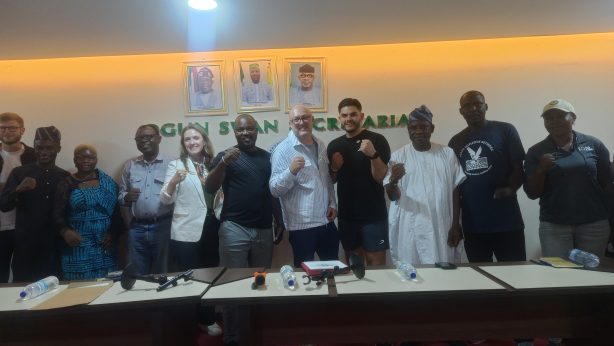
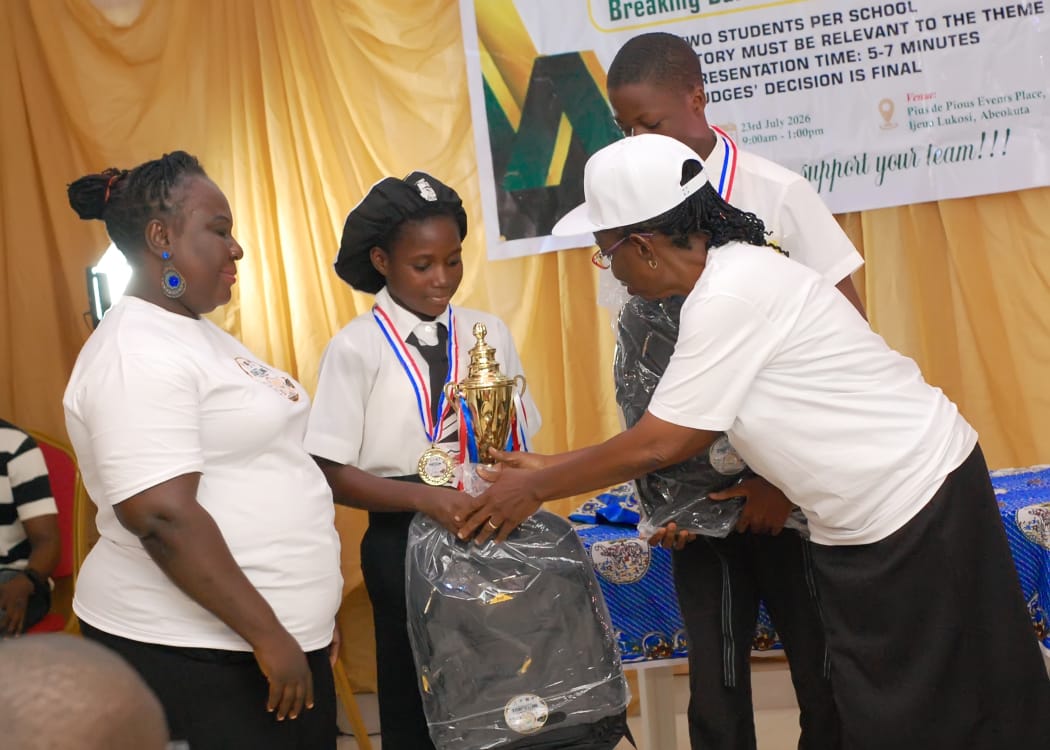
This vision came alive during the Inter-School Storytelling Competition on “Unsung Women in the Society,” organised by the Rural Women’s Sociological Association (RWSA), Nigerian Chapter, in collaboration with the Gender Development Initiative (GenDi), with support from partners including the Initiative for Peace and Comfort (IPC).
Held in Abeokuta, the programme brought together students from six secondary schools to research, document, and narrate the stories of women whose selfless service has positively impacted their communities.
Rather than focusing solely on well-known national figures, the competition encouraged students to discover women whose legacies exist within neighbourhoods, families, and local communities. Through carefully researched presentations, participants celebrated women who overcame personal tragedy, promoted girls’ education, mentored young people, expanded access to clean water, strengthened community development, and quietly transformed countless lives without seeking public recognition.
These stories carried a common message: true leadership is not always measured by titles or popularity. Many of society’s greatest changemakers are women whose daily acts of compassion, resilience, sacrifice, and service have become the foundation upon which families and communities thrive.
For young people, the competition offered far more than an opportunity to compete. It challenged students to become historians of their own communities by interviewing elders, documenting local experiences, and appreciating the value of women whose stories might otherwise disappear with time.
In an age where digital trends often overshadow local history, storytelling reconnects young people with their heritage while strengthening empathy, respect, and social responsibility.
Storytelling also plays a critical role in advancing gender equality. When women’s achievements are consistently overlooked, society loses valuable role models who can inspire future generations. By documenting and celebrating these contributions, communities help dismantle stereotypes that limit women’s visibility and leadership. Every story told becomes an affirmation that women are central to community development, peacebuilding, education, healthcare, economic growth, and social transformation.
The competition equally demonstrated the importance of partnerships in driving social change. The collaboration between RWSA, GenDi, the Initiative for Peace and Comfort (IPC), educational institutions, government agencies, traditional leaders, civil society organisations, and the media created a platform where advocacy, education, and community engagement worked together toward a shared goal. Such partnerships amplify positive narratives and encourage broader public participation in recognising women’s invaluable contributions.
Perhaps the greatest achievement of the programme was not the trophies awarded or the rankings announced. It was the creation of a new generation of storytellers who now understand that every community possesses hidden heroes whose lives deserve to be remembered. The students left not only as competitors but as ambassadors for preserving local history and promoting inclusive development.
Across Nigeria and beyond, there are countless women whose stories remain untold. They are mothers raising resilient families, teachers shaping future leaders, farmers feeding communities, entrepreneurs creating livelihoods, health workers saving lives, peacebuilders resolving conflicts, and volunteers serving without applause. Their contributions form the backbone of society, yet many remain unknown outside their immediate communities.
If these stories are not documented today, future generations may never know the women who quietly changed the course of countless lives.
That is why storytelling for unsung women is more than an educational exercise, it is an act of justice. It preserves memory, restores dignity, inspires leadership, and reminds society that extraordinary change is often accomplished by ordinary women whose greatest reward has simply been seeing others flourish.
As communities continue to pursue inclusive development, storytelling should remain a vital instrument for recognising overlooked voices, preserving local heritage, and inspiring young people to value service above recognition.
Telling the stories of unsung women today ensures that tomorrow’s history reflects the contributions of all who helped build our communities, not just those whose names have always occupied the spotlight.