FLOOD: Finding Higher Ground
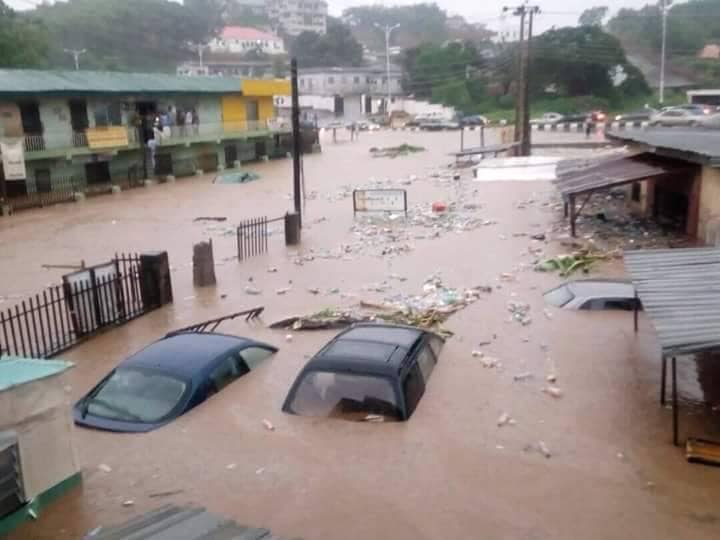
When the Ogun State Government issued its latest flood alert in late September, urging residents of riverine and coastal communities to relocate to higher ground, it was more than a seasonal warning. For many Nigerians, the alert was a stark reminder of a worsening national crisis: flooding that grows more intense and destructive each year.
The alert, delivered by Commissioner for Environment Dr. Ola Oresanya, forecasted heavy rains and overflowing rivers between the last week of September and mid-October. Communities flagged as high-risk include Isheri, Warewa, Akute, parts of Abeokuta, Ayetoro, Itele, Iju, Makun, Oni, Iwopin, Igele, Ifaara in Ogun Waterside, Ebute-Imobi in Ijebu East, Tungeji Island, and Agosasa in Ipokia Local Government Area.
“The overflow, which will last for about two weeks, is part of the second phase of flooding that usually occurs between September and November each year,” Oresanya explained. He warned that water releases from the Oyan Dam, combined with inflows from northern Nigeria and Benin Republic, could worsen the situation downstream in Ogun and Lagos.
The Nigerian Meteorological Agency (NiMet) projects rainfall of 204mm in September and 190mm in October—levels that officials fear will overwhelm riverbanks and drainage systems. Temporary emergency camps have been set up, while the state’s emergency agency is on standby for evacuations.
The warning in Ogun echoes a troubling pattern nationwide. In 2022, record floods swept through 34 of Nigeria’s 36 states, killing over 600 people and displacing 1.3 million, according to UNICEF. Homes and farmlands were devastated: in Akwa Ibom, nearly a quarter of flooded households lost their homes, while 87% saw crops destroyed.
The fallout goes far beyond shelter. Floods fuel deadly outbreaks of cholera, typhoid, and malaria as contaminated water seeps into wells and collapsed sanitation systems. By late 2024, cholera cases had surged by more than 220% year-on-year, with Borno State health officials warning that dam collapses created ideal breeding grounds for disease.
The food crisis is just as severe. November 2024 estimates showed nearly nine million Nigerians affected by floods, with 1.5 million hectares of farmland destroyed and at least 25 million people pushed into acute food insecurity. “Every flooded home worsens the housing crisis, and every waterborne disease burdens hospitals,” one analyst noted.
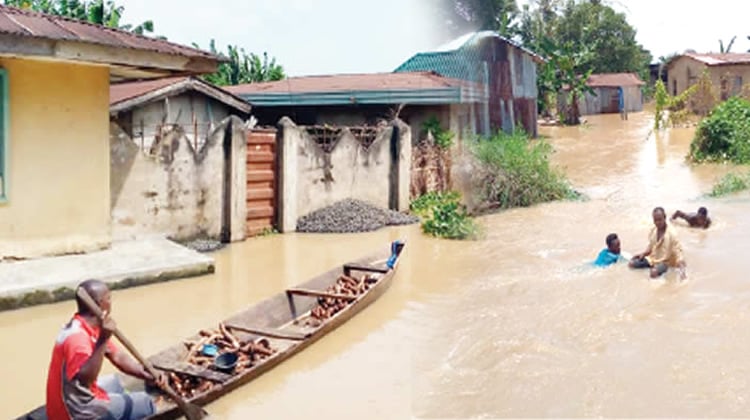
In Maiduguri, where displaced families already live in fragile camps, floodwaters have repeatedly submerged shelters. Researchers using GIS mapping found that 73% of surveyed camps sit in high or very high flood-risk zones. “It is a failure on the part of the government,” one researcher lamented, noting that traumatized people were being resettled in floodplains.
Ogun State faces similar dilemmas. Coastal towns like Iwopin and Ebute-Imobi sit near tidal zones, while riverside settlements in Isheri and Warewa are no strangers to overflowing banks. Experts warn that without stronger drainage, wetland restoration, and relocation planning, these communities will remain in harm’s way.
Authorities and experts are urging a shift from emergency response to long-term resilience. This means clearer early-warning systems, translated into local dialects and delivered via radio, SMS, and community networks. It also means investing in “green infrastructure”—wetlands, rain gardens, and mangrove restoration—that can absorb rising waters before they destroy homes and fields.
Equally critical are community-based responses. In flood-prone Borno State, volunteer patrols with boats have rescued stranded families, while Red Cross “flood champions” provide first aid and sanitation. Experts argue that scaling such efforts nationwide—equipping clinics, schools, and town halls with inflatable boats, medical kits, and safe water—could save lives when the waters rise.
For now, Ogun officials are urging residents to heed relocation orders, avoid drinking from boreholes or wells, and harvest fish stocks early to minimize losses. But beneath the practical steps lies a deeper warning: Nigeria’s flooding is no longer an occasional natural disaster but a predictable, escalating crisis fueled by climate change, poor urban planning, and fragile infrastructure.
As the rainy season peaks once again, the challenge for Ogun—and for Nigeria—is whether preparedness can outpace the rising tide.