Beyond Budget: Following the procurement, upholding accountability
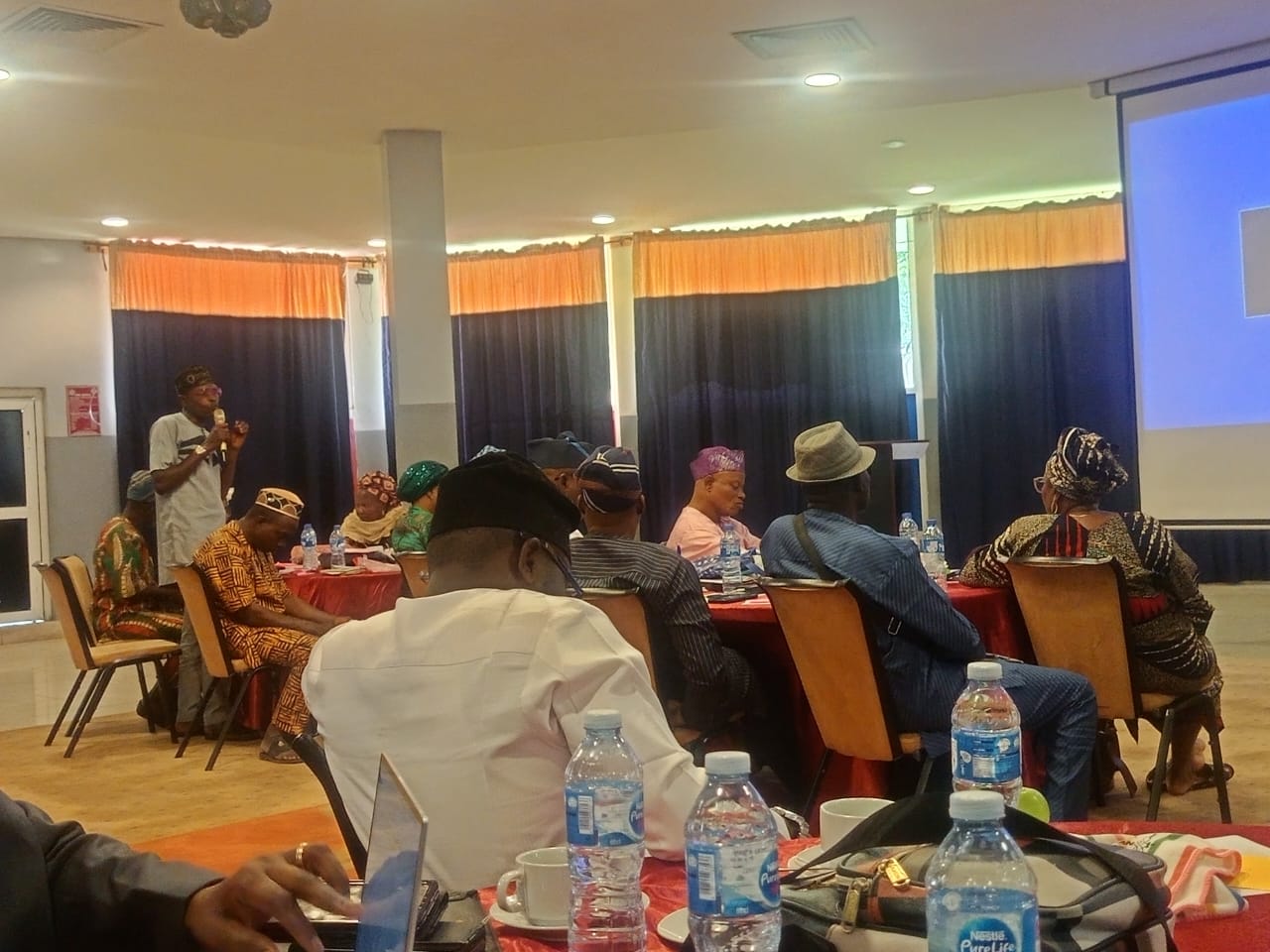
The Initiative for Peace and comfort was actively part of a at a two-day stakeholder roundtable organized by the International Budget Partnership (IBP) on improved budget execution for health services.
Participants who are stakeholders in the health sector expressed dissatisfaction with the poor implementation and lack of transparency in the sector’s budget execution, calling for better monitoring and community engagement to improve service delivery.
They urged the state government to prioritize fiscal accountability, ensuring that public funds are utilized effectively to improve healthcare delivery in the state.
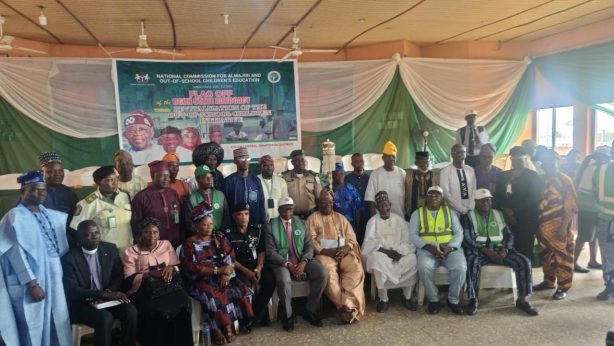
In attendance were representatives from the CSOs, Contractors, community leaders, representatives from the state MDAs – Mr. Olayinka Odukoya, Director Consolidated Accounts, Office of the Accountant General; Bolarinwa Adebowale, Acting DG, Bureau of Public Procurement; and Akirinmade Akindele, Director of Monitoring, Evaluation, Compliance, and Enforcement, Bureau of Public Procurement, Ogun State.
The IBP Country Director Olayinka Babalola stated that the purpose of the roundtable was to bring together the government, civil society actors, and the community to discuss how to enhance the budget execution of healthcare services in the state.
Babalola, expressed that there were numerous obstacles preventing the full implementation of the sector’s budget, thus the gathering is aimed at finding possible solutions, not witch-hunting.
Accountability Lab lamented that the state health budget trends and execution rates from 2017 to 2024 have been consistently weak and often below 50 percent.
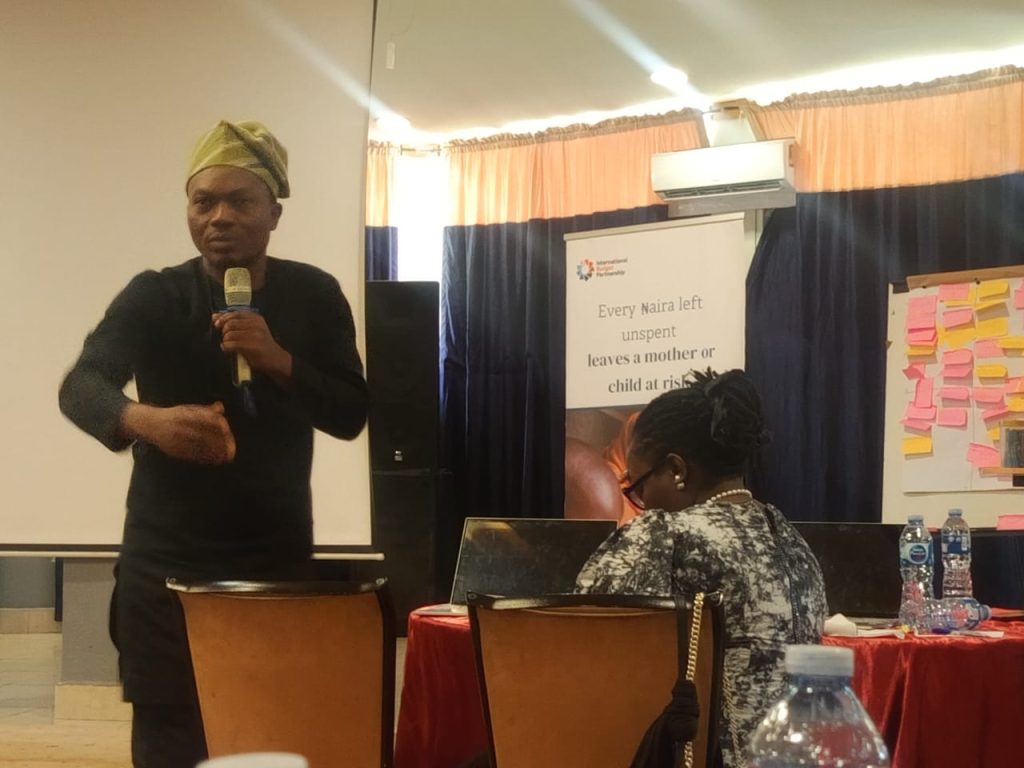
“What the trend shows is that between 2017 and 2021, Ogun’s health budget execution was consistently weak, often below 50 percent. The worst year was 2020, when only 19% of the health budget was spent. Execution rose to 26% in 2023 and 40% in 2024, showing modest recovery,” IBP Strategy and Policy Lead Onyekachi Chukwu remarked.
Despite the state signing up to the Open Government Partnership (OGP) and committing to run an open and transparent budget process, accessing information such as detailed budgets and costs of renovations at various facility levels remains difficult.
“The budget provided on the state’s website is summarized by implementing ministry, which makes it difficult to track. The available Citizen Report from the Accountant General’s Office is not well detailed; however, it highlighted the renovation of five PHCs in Ado-Odo/Ota and five in Ipokia LGAs.
“The budget available is at the summary level and makes it very difficult to track specific project budget lines. None of the Auditor-General’s consolidated reports for the local governments includes relevant information or figures specifically for PHCs. Details of specific projects of ministries/agencies are not available, as we only have a lump sum for each ministry or agency,” Damilola Sodiya, a representative Accountability Lab, said.
The team from Accountability Lab introduced the Procurement Tool Assessment Toolkit, a novel initiative first launched in Ogun and Oyo.
The Procurement Risk Assessment Toolkit is a guide designed to help donor organizations and civil society groups ( CSOs ) understand and address risks in public procurement , to ensure that goods , services , and infrastructure are provided effectively and transparently to meet public needs .
This initiative matters because governments spend significant public funds through procurement and there is Poor management and lack of transparency can lead to waste, corruption and inadequate service delivery.
The guide covers the Main stages of public procurement, Key risks at each stage and how to recognize them and Mitigation strategies to manage or reduce risks.
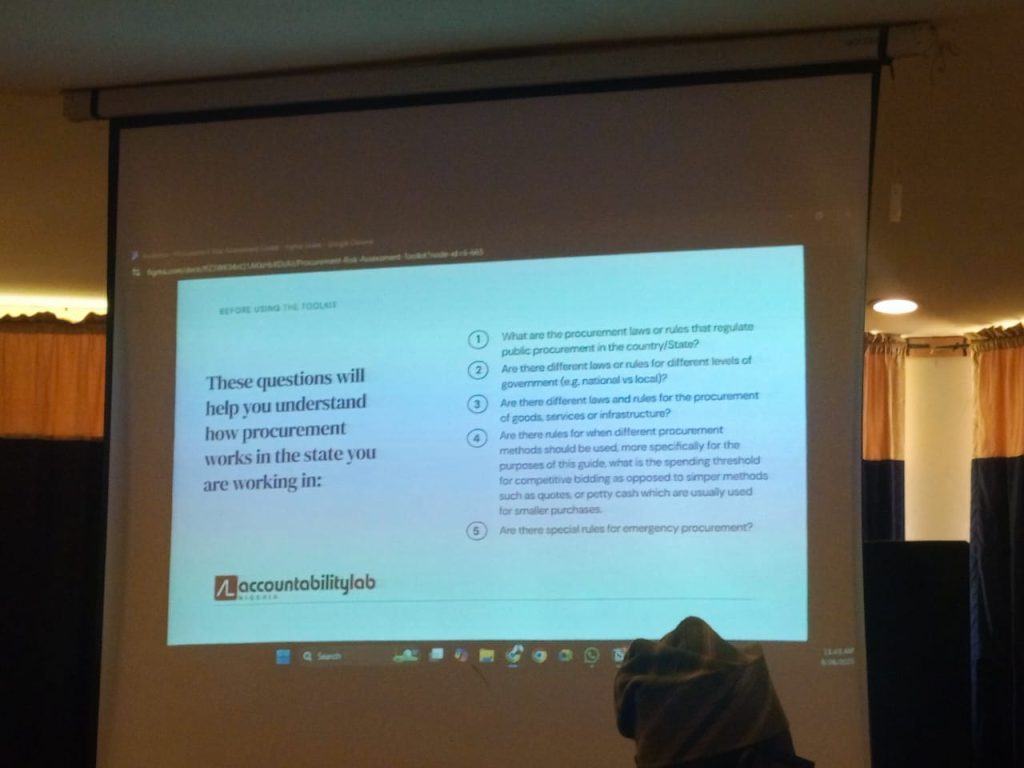
Before using THE TOOLKIT, there are questions that Will help understand how procurement works by the peculiarity of each State.
The questions are “What are the procurement laws or rules that regulate public procurement in the country/State? Are there different laws or rules for different levels of government (e.g. national vs local)? Are there different lows and rules for the procurement of goods, Services are infrastructure? Are there rules for when different procurement methods should be used more specifically for the purposes of this guide, what is the spending threshold for competitive bidding as opposed to simpler methods Such as quotes or petty cash which are usually used for smaller purchases Are there special rules for emergency procurement?”
In his response the Executive Secretary of the Ogun State Primary Healthcare Board, Dr. Elijah Ogunsola, explained that the state is running a national template and cannot go beyond what the regulatory body provides. He assured that the government is open to collaboration to improve the state’s health system and stressed that nothing is being concealed.