
A World on Drugs
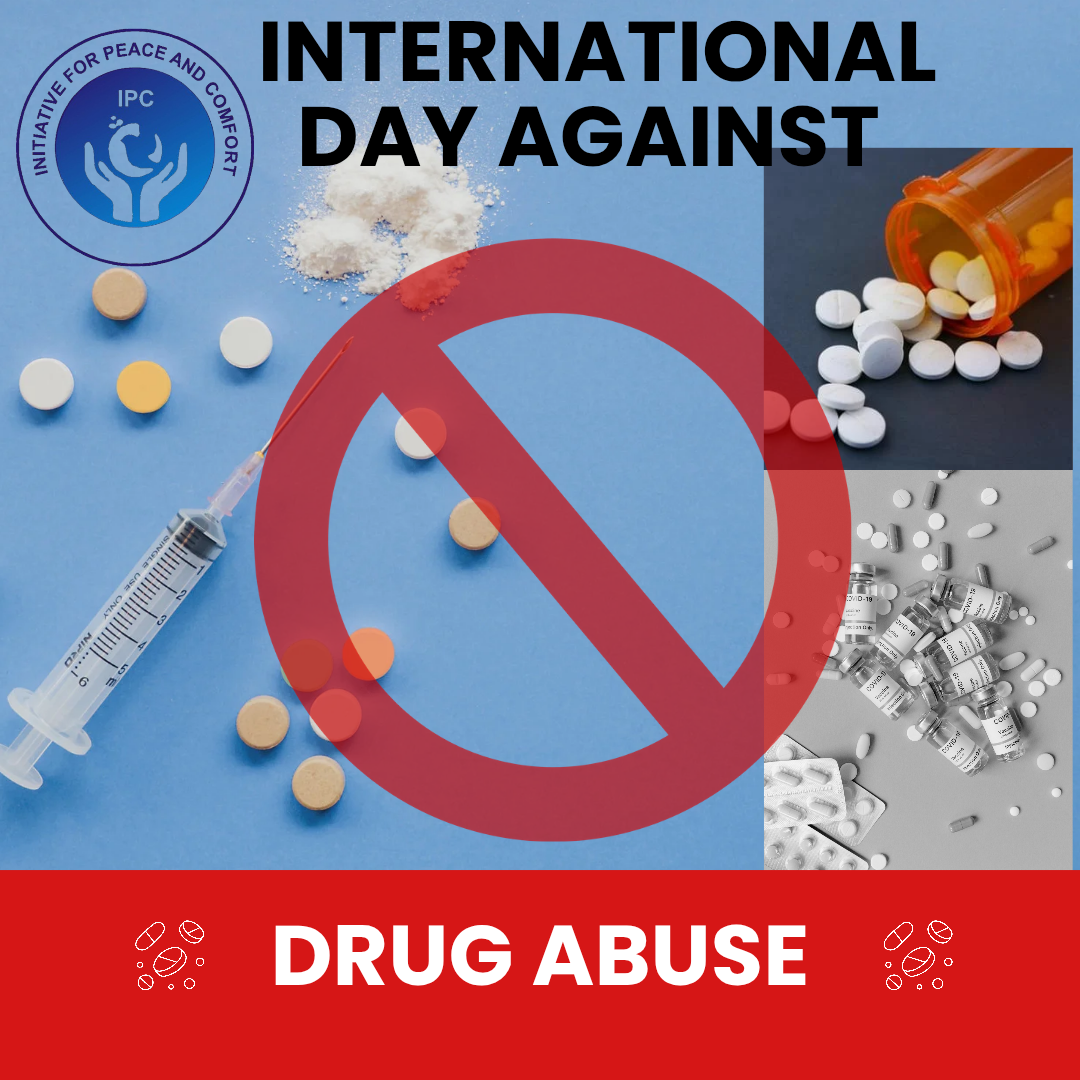
Commemorating the International Day Against Drug Abuse and Illicit Trafficking – June 26, 2025
Every year on June 26, the world unites to mark the International Day Against Drug Abuse and Illicit Trafficking—a reminder of the global crisis that affects. The day serves as a poignant reminder of the global struggle against the scourge of drug abuse and illicit trafficking. As we commemorate this day, it’s essential to acknowledge the alarming statistics, understand the dangers, and explore solutions to curb this menace.
According to the United Nations Office on Drugs and Crime (UNODC), over 292 million people worldwide suffer from drug use disorders. In 2023, 316 million people aged 15–64 used drugs globally (excluding alcohol and tobacco)—a 28% increase over the past decade. This represents about 6% of that population segment, compared to 5.2% in 2013. The most used substances: cannabis (244 million), opioids (61 million), amphetamines (30.7 million), cocaine (25 million), and ecstasy (21 million).

Approximately 64 million individuals suffered from drug use disorders in 2023—a 13% increase in a decade. Yet only about 1 in 8 people with substance use disorders receive treatment.
This deficiency exacerbates related harms like overdose, disease transmission (e.g., HIV in injecting users in Kenya), mental health decline, and premature death—Germany recorded over 2,200 drug-related deaths in 2023.
In 2020, an estimated 500,000 people died due to drug use, with opioids being the leading cause of death.
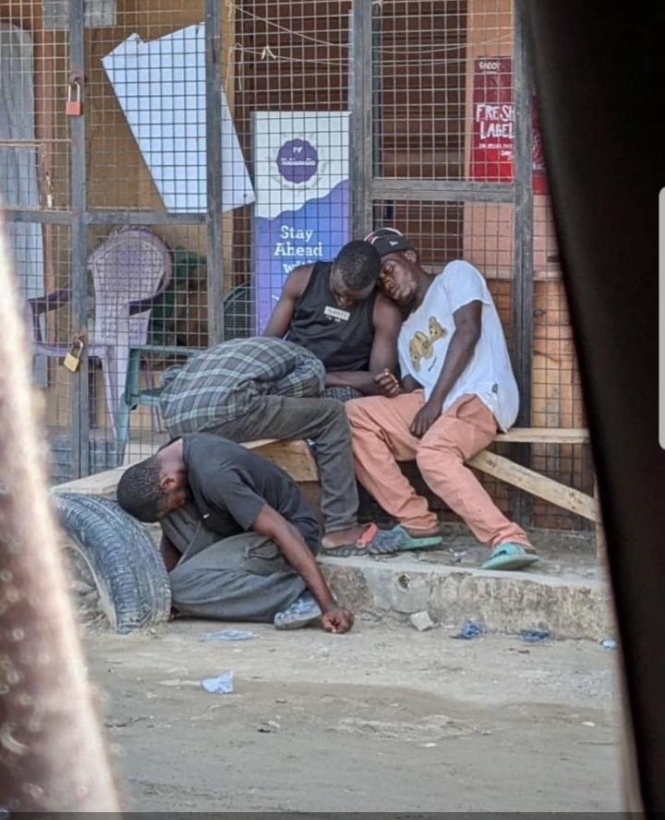
The global drug trade is estimated to be worth over $320 billion, fuelling organized crime and corruption. Cocaine production hit a record 3,708 tonnes in 2023—up ~34% from 2022. The number of users grew from 17 million in 2013 to 25 million in 2023. Synthesized drugs like methamphetamine are surging—190 tonnes seized in East & Southeast Asia alone in 2023, generating nearly $80 billion annually.
There has been emphasizes the need to prioritize people over punitive measures. Focusing on prevention, treatment, and support, could help reduce the stigma associated with drug addiction and encourage those struggling to seek help.
There have also been efforts underscoring the need to dismantle cycles of addiction and criminal exploitation through a holistic, human-rights based approach; need champions universal access to prevention, rehabilitation over punishment, and justice-informed development.
There are lots on factors working against the war on drugs. Stigma and Discrimination seem to be a very prominent factor, the Fear of judgment and rejection has prevented many from seeking help.
Lack of Access to Treatment occasioned by the insufficient resources and infrastructure hinder effective treatment and support.
There’s also organized crime where powerful criminal networks perpetuate the drug trade, fuelling violence and corruption. Illicit drug trade fuels organized crime, violence, trafficking, corruption, and even environmental destruction linked to hidden labs and deforestation.
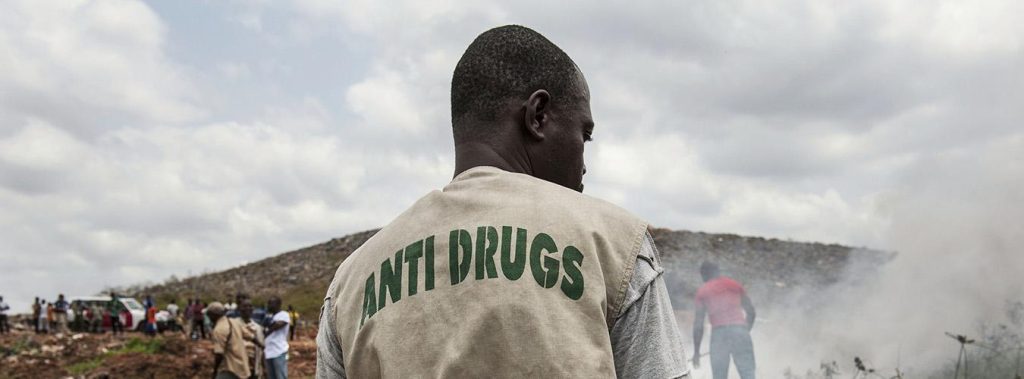
There are emerging threats – new psychoactive substances and synthetic opioids also pose significant challenges to public health and law enforcement. Online platforms (social media, messaging) have become new vectors for drug distribution, offering anonymity and evading law enforcement. These are cheaply produced, potent, easier to smuggle, and evade traditional law enforcement methods
The battle is not yet lost, there are efforts that could pay off to curb the dangers of drugs
Intentional efforts in ending the menace of drugs could start with investment in Evidence-Based Prevention. This requires implementing programs that focus on education, social skills, and emotional intelligence to prevent drug use. Fund school and community education programs. It is also important to address the root causes like poverty, conflict, and mental health issues.
Support Research and Development by encouraging innovation in treatment, harm reduction, and prevention strategies to stay ahead of emerging threats.
There should be expansion of access to treatment and recovery – increase access to effective treatment, counselling, and support groups to help individuals recover; there should be universal, voluntary and evidence-based treatment programs; and an integrated mental health care and harm reduction services (e.g., needle exchanges, methadone treatment).
Efforts should also be made to end stigma and foster empathy by promoting respectful discourse toward those who use drugs and as well train media, employers, and professionals to adopt compassionate language. We must promote a culture of understanding, encouraging those struggling to seek help without fear of judgment.
The authorities in place need to embrace a systematic shift from punishment to health by decriminalizing minor possession and offering diversion programs instead of incarceration.
Law enforcement and intelligence must be strengthened to boost cross-border cooperation, collaborate across borders to disrupt organized crime networks and dismantle the global drug trade, intercept trafficking networks and monitor online drug markets and restrict precursor chemicals.

A clampdown on the synthetic drug markets with a focus on production hubs (e.g., Golden Triangle, Latin America) and regulating chemical supply chains and ramp up lab seizures will prove effective in ending Illicit trafficking.
We must also stop turning a blind eye to the environmental damages and engage in cleaning up clandestine lab sites and enforcing environmental regulations alongside anti-trafficking efforts.
We can also leverage on technology and innovation – using data analytics for early-warning systems and also monitor online and dark-web drug markets.
Communities will also do well to support this fight if they are well empowered. This requires involving local leaders, NGOs, youth, health workers in program design and implementation.
The ever-expanding drug crisis—marked by rising synthetic markets, entrenched organized crime, and human suffering—demands a paradigm shift. We must recognize that the drug crisis is complex, global in reach, and deeply rooted in socioeconomic and geopolitical realities.
On this International Day, let us reaffirm our commitment to policies prioritizing lives—not punishment—and build a world where all can break free from the grip of drugs. Only by weaving together prevention, health-led treatment, robust law enforcement, community upliftment, and global solidarity can we hope to free society from the grip of drugs. Let’s prioritize a people-centered approach. By working together to reduce stigma, strengthen prevention, and support those affected, we can create a world where individuals can thrive without the grip of drug addiction. It’s time to put people first and take a comprehensive approach to tackle the complex issue of drug abuse and illicit trafficking.
References
Global cocaine boom keeps setting new records, UN report says
Myanmar burns confiscated drugs worth around $300 million
Indonesia arrests 285 in drug crackdown and seizes over half a ton of narcotics
Nagpur police’s anti-narcotics drive also champions communal harmony
It is absolutely necessary for everyone to cooperate so as to put an end to drug abuse in the society. Thank you for this article.