
HOW TO THINK SUICIDE

“Suicide is the punctuation mark of the end of many careers”-Kurt Vonnegut
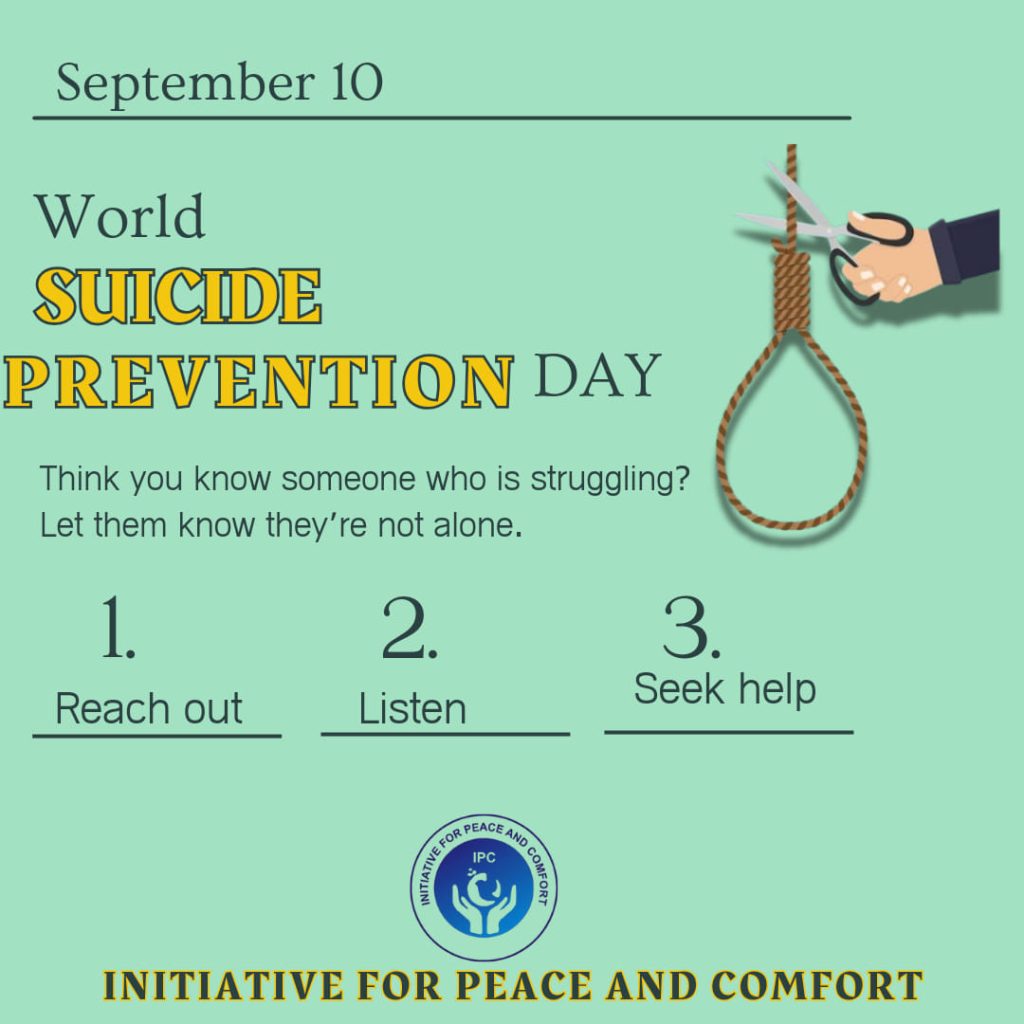
The 10 September each year aims to focus attention on the issue, reduces stigma and raises awareness among organizations, governments, and the public, giving a singular message that suicides are preventable.
The triennial theme for World Suicide Prevention Day for 2024-2026 is “Changing the Narrative on Suicide” with the call to action “Start the Conversation”. This theme aims to raise awareness about the importance of reducing stigma and encouraging open conversations to prevent suicides.
The call to action encourages everyone to start the conversation on suicide and suicide prevention. Every conversation, no matter how small, contributes to a supportive and understanding society. By initiating these vital conversations, we can break down barriers, raise awareness, and create better cultures of support.
Suicide is defined as death caused by self-directed injurious behaviour with intent to die as a result of the behaviour. Suicide is when a person intentionally and voluntarily takes their own life. It is a destructive practice that causes death.
“When people kill themselves, they think they are ending the pain, but all they are doing is passing it on to those they leave behind”-Jeannette Walls.
Suicide is a major public health challenge, with more than 700 000 deaths each year globally. Each suicide has far-reaching social, emotional, and economic consequences, and deeply affects individuals and communities worldwide.
People who commit suicide do it to stop whatever emotional and mental pain they feel but what they do not know unfortunately after they are gone is that the pain never really goes away. Close relatives and friends will also partake the pain. The pain of not paying attention to the reason why their child/Brother/Sister/Mother/Father/Uncle/Aunt had to commit suicide. The feeling of failing these victims. The feeling of confusion and sadness which can also create a chain of suicides in the family.
Suicide is a major public health challenge, with more than 700 000 deaths each year globally. Each suicide has far-reaching social, emotional, and economic consequences, and deeply affects individuals and communities worldwide.Suicide was the second leading cause of death among individuals between the ages of 10-14 and 25-34 , the third leading cause of death among individuals between the ages of 15-24, and the fifth leading cause of death among individuals between the ages of 35 and 44. In Africa, Nigeria is listed the 13th highest suicide mortality rate with males having a higher rate of 9.9 per 100,000 population while females have a rate of 9.2 per 100,000 population.
A person who is thinking about or planning suicide may show changes in their speech, feelings, and behavior. They may talk about:
•their feelings of guilt or shame
•being a burden to others
•death
The person may feel:
•unbearable emotional pain
•extremely anxious and sad, full of rage, or agitated.
•trapped, hopeless, empty, or that there is no reason to live
•severe fluctuations in mood or mood swings
Their behavior may also change. A person contemplating suicide may:
•withdraw from friends or family
•use alcohol or drugs more frequently
•sleep or eat more or less.
A person contemplating suicide may:
•withdraw from friends or family
•use alcohol or drugs more frequently
•sleep or eat more or less
•take dangerous risks
•research ways to die
•stockpile medications
•make a plan for their suicide
•give away important possessions or money
•say goodbye.
While the result of an already committed suicide cannot be reversed, A person who is suicidal can be observed from the above signs and quick actions can be put into place. Actions that include:
Creating a protective Environment. This simply means making sure there are not any forms of harmful substances or objects that can serve as pathway for a suicidal person to end their life.
Improve access and delivery of suicidal care: those who carried out Attempted suicides must be catered for especially Psychologically and physically. There should be no room for discrimination, side jabs and stigmatization as these will further put the victim at the hands of intensifying the need to commit suicide.
Promote Healthy connections: As a community and society, it is our duty to look out for one another. Be a listening ear to your fellow human, help out in ways that are needed. Do not turn a blind eye to the torments your neighbour is facing. Do not turn deaf ears to those repeated mental complaints given by your neighbour. Check up on your friends, family and neighbors. Be your brothers Keeper.
Strengthening Economic support: this is a cry to the leaders and the government to help improve the financial Security of household in the country by creating employments for the youths both the graduates (either tertiary or vocational). Creating Platforms for easy Microfinance loans to grow businesses. Provision of good mechanized equipments and supplements to grow god crops for consumption and for sale. Improving the
Improving the Health and Educational facilities at an affordable cost.
Train Gatekeepers: People who are readily on alert to watch and report the changes in physical and mental behaviour of people.
Plan for the safety and follow up of people who have attempted.
Support social-emotional learning programs
Do not discriminate, stigmatize people who have survived suicidal attempts but rather show them what it is like to be loved and cared for and to be ready to listen to their stories.
In the words of Malala Yousefzai, “when the whole world is silent, even one voice is powerful”. We can win this war against suicide. We can become a far better version of ourselves. All we have to do is SPEAK UP. People around us are not mind readers. We’ve each got things going on for us. When you SPEAK UP, People will hear your story and help you overcome. We need one another. Individually, we are one drop. Together, we are an ocean. – Ryunosuke Satoro
Changing the narrative requires advocating for policies that prioritize mental health, increase access to care, and provide support for those in need.