17 Goals Vs 17 States: Finding the SDG Compass in Nigeria
By 2030, the world will judge nations not by the eloquence of their development speeches but by the tangible transformation of lives. The 17 Sustainable Development Goals (SDGs) — from ending poverty and hunger to promoting quality education, healthcare, and environmental sustainability — are the yardstick. Yet, in Nigeria, a troubling parallel has emerged: 17 Goals matched by 17 states that have yet to align with them.
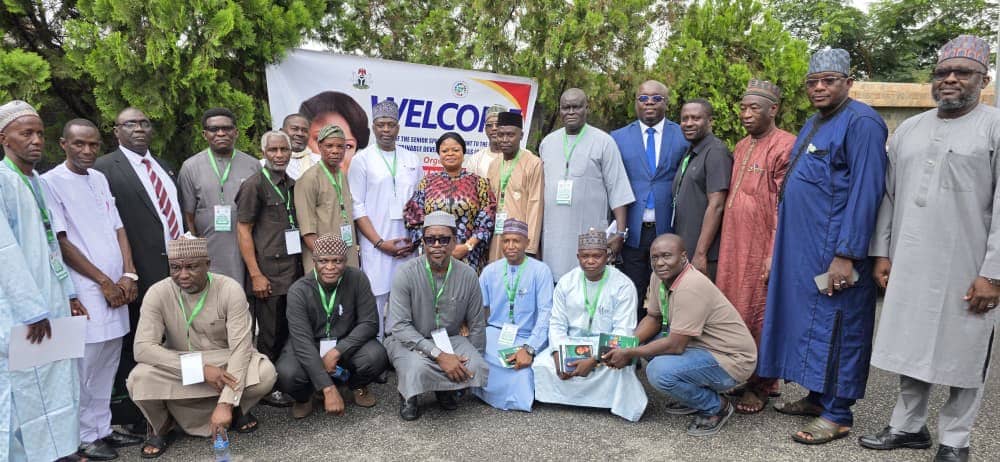
At a recent roundtable in Abuja, Princess Adejoke Orelope-Adefulire, the Senior Special Assistant to the President on SDGs, sounded the alarm. Twenty states have already domesticated and integrated SDG targets into their governance plans; the other seventeen remain on the sidelines. In development terms, this is not a gap — it is a chasm.
The SDGs are not a federal project to be admired from a distance, nor are they the private initiative of state governments. They are a national compass, intended to align every tier of governance toward a common direction: prosperity that is inclusive, sustainable, and measurable. Without this compass, states risk wandering into the wasteland of scattered projects, uncoordinated spending, and missed opportunities.
Orelope-Adefulire’s warning was practical, not theoretical. When a state spends 10 naira, the question must be: How much of this advances “No Poverty”? How much tackles “Zero Hunger”? How much invests in health, education, clean water, or climate resilience? Without SDG integration, budget lines become guesswork and progress becomes a mirage.
What makes the lag of these 17 states particularly troubling is the clock. We have five short years before the 2030 deadline. In development timelines, that’s barely a heartbeat. The SDGs demand planning horizons, data tracking, and bottom-up accountability — starting from local governments, where federal allocations must be more than figures on paper. As Orelope-Adefulire rightly noted, development is bottom-up. It lives or dies in the wards and villages, not in air-conditioned conference rooms.
Encouragingly, some states are showing that domestication is more than paperwork. Edo State, under Governor Monday Okpebholo, has revived previously dormant SDG programmes, and its Director-General for SDGs, Julius Okunbor, is pushing advocacy deeper into communities. Abia State has gone further, becoming a model of cross-sector integration — linking agriculture to healthcare, education to infrastructure — and doing so without resorting to debt. This is the SDG compass in action.
The message from Abuja is clear: integration is not optional. The SDGs are not about ticking boxes for an international scorecard; they are about ensuring that Nigerians — in every state — see clean water in their taps, children in functional schools, farmers earning fair incomes, and communities resilient to climate shocks.
Seventeen states without SDG domestication is not just a statistic. It is a national warning. If the 17 Goals are the map, Nigeria cannot afford for 17 states to wander off course. The next five years will decide whether this country crosses the 2030 finish line united and transformed — or fractured and explaining why the compass was ignored.